The Strategic Evolution of the Data Analyst: Why Generative AI is the New Prerequisite
The role of the data analyst is changing fast. Many tasks that once took hours are now done in minutes. New tools powered by generative AI handle data cleaning, sorting, and early insights. This shift means analysts must learn new ways to work. To stay relevant, they must build Generate AI Data Analyst Skills.
Companies expect more from analysts today. They no longer want basic reports. They want answers that guide real decisions. They want insight that leads to growth. This change is pushing analysts to move beyond simple tasks. To meet this demand, professionals must develop Generate AI Data Analyst Skills.
The shift is not about replacing people. It is about raising the level of work. Analysts now focus on thinking, not just doing. They help teams understand what data means. This new role starts with learning Generate AI Data Analyst Skills.
Data modernization is also driving this change. Companies are upgrading systems and tools. They want faster access to better data. Analysts who support this shift must learn Generate AI Data Analyst Skills.
Analytics maturity is another factor. Businesses are moving from basic reports to advanced insights. This growth needs skilled professionals. The foundation for this progress is Generate AI Data Analyst Skills.
skilled professionals. The foundation for this progress is Generate AI Data Analyst Skills.
Many employers say AI knowledge is becoming required for data roles
Source: World Economic Forum Future of Jobs Report 2023
Link: https://www.weforum.org/reports/the-future-of-jobs-report-2023
Beyond SQL and Python: The Rise of the Synthesis Specialist
For many years, analysts focused on SQL and Python. These skills helped them manage and process data. They are still useful today. But they are no longer enough. New tools now handle much of the basic work. This is why analysts must build Generate AI Data Analyst Skills.
Data cleaning used to take a large part of the day. Analysts fixed errors, removed duplicates, and formatted data. Today, smart systems do this faster and more accurately. This frees analysts to focus on deeper tasks. That next step requires Generate AI Data Analyst Skills.
Data preparation is now offloaded to smart algorithms. These tools can scan large datasets in seconds. They find issues and fix them with little input. This saves time and reduces mistakes. Analysts who use these tools must have Generate AI Data Analyst Skills.
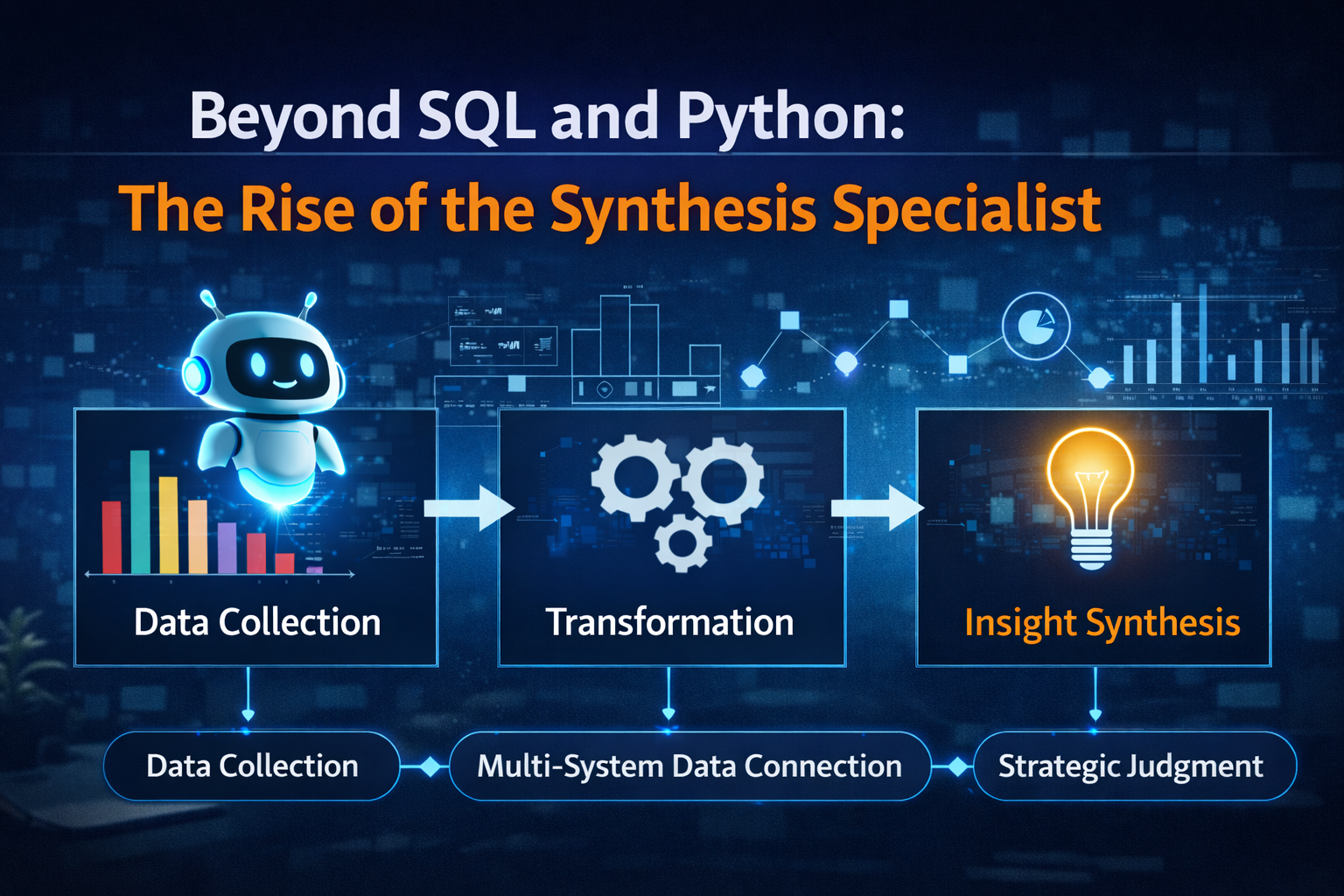
The role of the analyst has shifted. It is no longer just about reporting numbers. It is about understanding what those numbers mean. This is called insight synthesis. To succeed in this role, professionals must build Generate AI Data Analyst Skills.
Insight synthesis means connecting data points. It means finding patterns across systems. It means explaining results in simple terms. Leaders rely on these insights to make decisions. This level of work depends on Generate AI Data Analyst Skills.
AI can generate insights quickly. But it does not fully understand business goals. It cannot replace human thinking. Analysts bring context and direction. That is why companies look for Generate AI Data Analyst Skills.
Synthesis specialists ask better questions. They focus on outcomes, not tasks. They guide teams toward action. This shift makes Generate AI Data Analyst Skills a key part of modern data analyst skills.
Speed is also important. AI tools allow fast testing and quick results. Analysts can explore many ideas in less time. But this only works if they know how to use the tools. That requires Generate AI Data Analyst Skills.
Companies now measure value differently. It is not about how many reports you create. It is about the impact of your insights. That change makes Generate AI Data Analyst Skills essential for career growth.
Studies show automation reduces time spent on data prep.
Source: McKinsey & Company — The state of AI in 2023
Link: https://www.mckinsey.com/capabilities/quantumblack/our-insights
To keep up, professionals must Generate AI Data Analyst Skills. Those skills support work across teams. They help workers ask better questions and validate AI output.
Validating the "Black Box" The Critical Role of Human Oversight
Generative AI is powerful, but it is not perfect. It can create answers that sound correct but are wrong. These are called hallucinations. Without review, they can lead to poor decisions. This is why analysts must build Generate AI Data Analyst Skills.
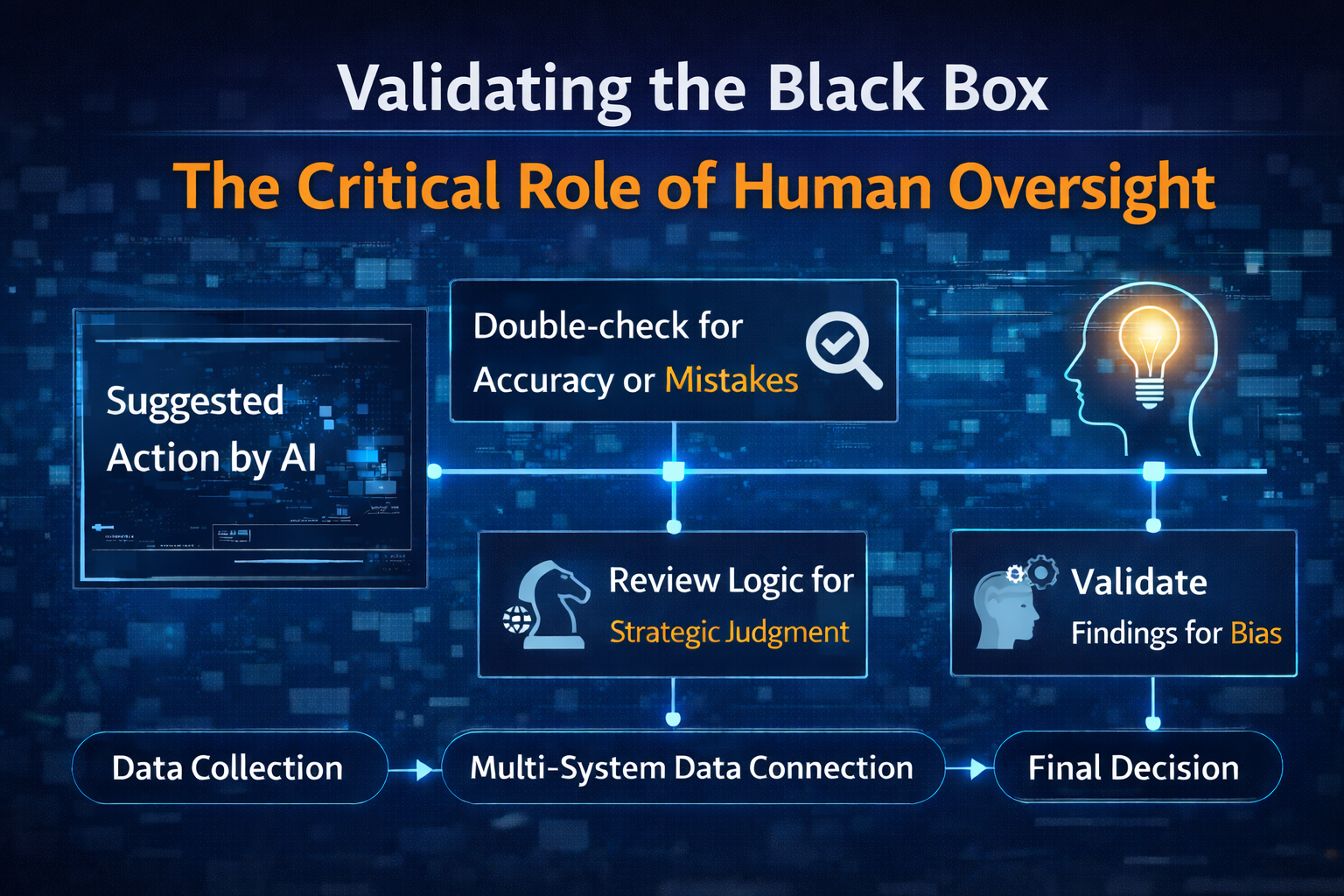
Human oversight is now a key part of the job. Analysts must check AI outputs for accuracy. They must confirm results before sharing them. This process depends on strong Generate AI Data Analyst Skills.
Bias is another risk. AI learns from past data. If that data has issues, the output may reflect them. Analysts must identify and fix these problems. This responsibility requires Generate AI Data Analyst Skills.
Trust is critical in data work. Leaders rely on analysts for clear answers. If AI results are wrong, trust is lost. Analysts protect that trust through review and testing. This role depends on Generate AI Data Analyst Skills.
Strategic judgment is becoming the highest-paid skill. Companies need people who can decide what matters. AI can suggest ideas, but humans choose direction. That ability comes from Generate AI Data Analyst Skills.
Strong analysts question results. They compare AI outputs with real-world knowledge. They ask if the answer makes sense. This critical thinking is part of Generate AI Data Analyst Skills.
Communication also matters. Analysts must explain results in simple language. They must show how conclusions were reached. This builds trust across teams. Clear communication is a key part of Generate AI Data Analyst Skills.
Source: AI Risk Management Framework | NIST
Source: Empowering your Full Potential
Career Stability in 2026: Why Companies are Retraining Traditional Analysts
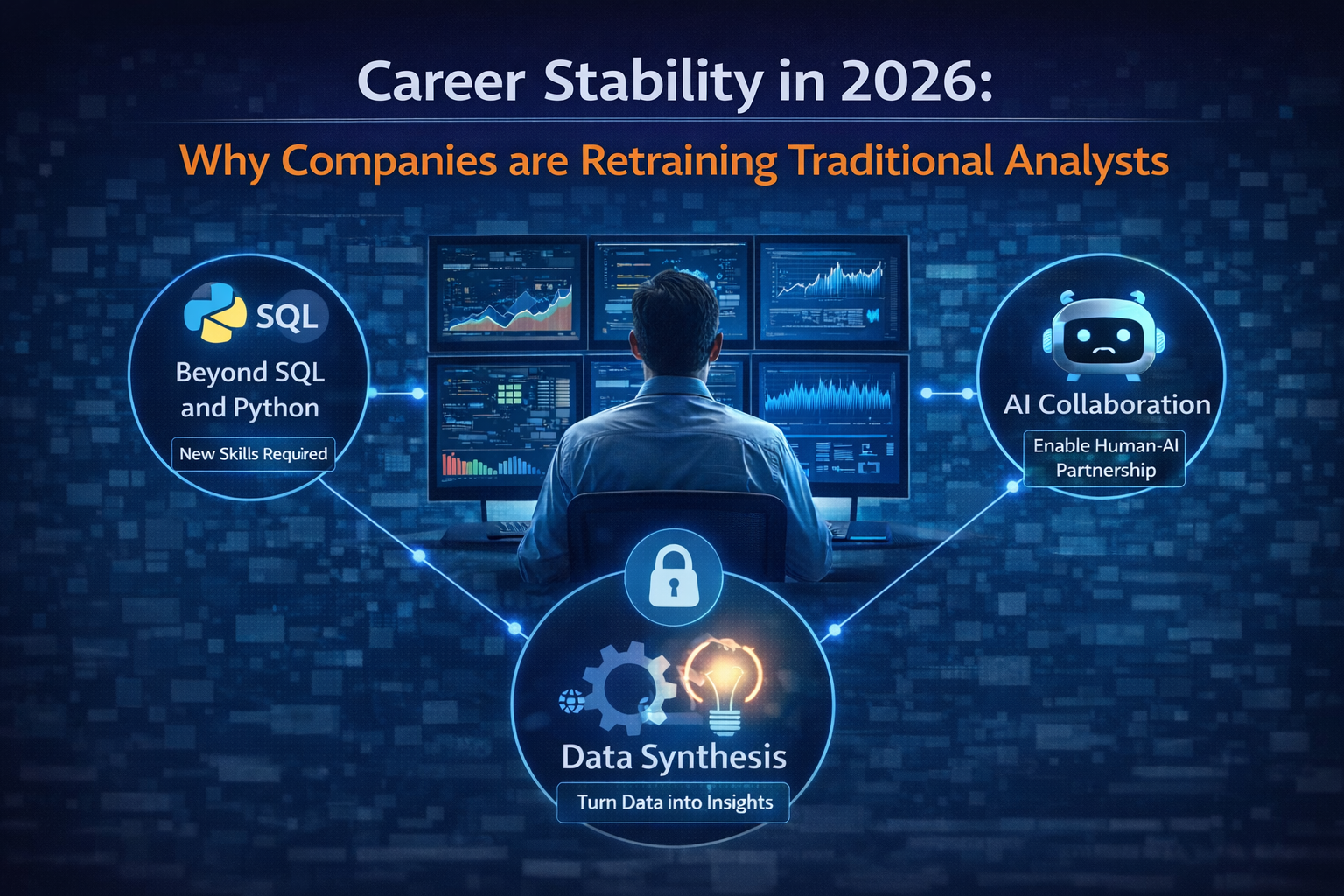
The job market is changing. Many traditional analyst roles are evolving. Tasks like basic reporting are now automated. But new roles are growing. These roles require Generate AI Data Analyst Skills.
Companies are not only hiring new talent. They are retraining current employees. They see value in experienced analysts. But those analysts must learn new tools. The path forward includes Generate AI Data Analyst Skills.
AI-integrated roles are replacing legacy positions. These new roles focus on strategy and insight. They require a mix of technical and business skills. This mix centers on Generate AI Data Analyst Skills.
Businesses want faster results. They cannot wait weeks for reports. AI tools provide real-time insights. Analysts must keep up with this speed. That ability depends on Generate AI Data Analyst Skills.
Data modernization is driving demand. Companies are updating systems and improving workflows. They want better data quality and faster access. Analysts who support this work need Generate AI Data Analyst Skills.
Analytics maturity is also increasing. Companies are moving from basic analysis to predictive insights. This shift requires skilled professionals. The foundation is Generate AI Data Analyst Skills.
Hiring managers now look for hybrid skills. They want analysts who understand AI and business needs. This combination is part of modern data analyst skills. It starts with Generate AI Data Analyst Skills.
Source: OECD 2026
Career growth depends on adaptability. Analysts who learn new tools move into higher roles. They become leaders and decision-makers. That path begins with Generate AI Data Analyst Skills.
Pay is also changing. Roles that combine AI and strategy earn more. Companies reward those who create value. To reach that level, analysts must build Generate AI Data Analyst Skills.
Building Real-World Capability Through Daily Practice
Building skill takes time. It also takes repeated use in real settings. Many learners believe reading is enough. But reading alone does not build mastery. Professionals must build Generate AI Data Analyst Skills through daily practice.
Hands-on use helps concepts stick. When analysts apply tools on real problems, they learn faster. They understand strengths and limits. This builds confidence and strengthens Generate AI Data Analyst Skills.
Daily practice helps analysts stay sharp. Tools change fast, and new features appear often. Regular use helps keep pace. This steady growth strengthens Generate AI Data Analyst Skills. Analysts should also work on real projects. Real problems expose gaps that training alone cannot reveal. This leads to faster improvement. It also builds problem-solving skills. Each project deepens understanding and strengthens Generate AI Data Analyst Skills.
Building Trust and Confidence With Stakeholders
Trust is the foundation of data work. Leaders rely on accurate insights. Analysts who deliver clear value earn trust. That trust starts with strong Generate AI Data Analyst Skills.
Clear communication matters. Many leaders do not have a data background. Analysts must explain insights in simple terms. This builds trust and strengthens Generate AI Data Analyst Skills.
Storytelling also plays a key role. Data must be placed in context. Analysts should explain what the numbers mean. This makes data useful and builds Generate AI Data Analyst Skills.
Listening also builds trust. Strong analysts ask questions before offering solutions. They confirm goals and remove assumptions. This reduces confusion and strengthens partnerships. That approach builds stronger Generate AI Data Analyst Skills.
Driving Impact Through Business Alignment
Many analysts focus only on data tasks. But business value is the real goal. Strong analysts learn the business. They understand how teams work and how decisions are made. This supports better use of Generate AI Data Analyst Skills.
Partnership is also important. Analysts should work closely with product, marketing, and operations teams. These teams offer real insight into daily work. This collaboration builds stronger Generate AI Data Analyst Skills.
Analysts who align with business goals deliver more value. They connect data to outcomes that matter. This helps leaders make better decisions. It also grows influence and impact. That growth supports Generate AI Data Analyst Skills.
Looking Ahead: The Next Stage of Data Work
The next wave of change is already here. AI will continue to grow. New tools will appear, and old ones will improve. Analysts must be ready to learn and adapt. This mindset supports Generate AI Data Analyst Skills.
The future belongs to those who adapt. Analysts who grow with change will lead. Their success will be built on Generate AI Data Analyst Skills.
Staying relevant requires steady learning. Analysts should explore new tools and refine their approach. They should stay curious and open to change. This long-term mindset supports Generate AI Data Analyst Skills and long-term success
Conclusion: The Path to Becoming a High-Impact Data Leader
The data analyst role is not fading. It is becoming more important than ever. The job is shifting from completing tasks to driving real thinking. Today's analysts do more than build reports. They guide teams, influence choices, and shape long-term strategy. To do this well, they must build Generate AI Data Analyst Skills.
Work is changing quickly. Tools powered by AI can handle many of the routine steps that used to take hours. This change frees analysts to focus on higher-value work. Instead of spending time cleaning data or running basic reports, they can explore insights and solve complex problems. This shift raises the value of analysts who invest in Generate AI Data Analyst Skills.
The future belongs to people who know how to work with AI. Companies are looking for professionals who understand both data and decision-making. Analysts who adapt will become leaders. They will guide projects, improve systems, and help teams move faster. Those who avoid change may find fewer opportunities. Building Generate AI Data Analyst Skills is the key to staying relevant.
This moment is a real opportunity. The demand for strong data professionals is growing. Companies need people who can understand data, apply new tools, and communicate insights clearly. They want analysts who think critically and connect data to real business outcomes. That demand will continue to grow as more companies adopt AI.
Learning these skills takes time and practice. Growth comes from using new tools every day. It comes from asking better questions and learning from mistakes. It comes from working with others and staying open to new ideas. By building Generate AI Data Analyst Skills, analysts can move beyond basic tasks and become trusted advisors.
The next chapter of data work belongs to those who learn, adapt, and lead. Building Generated AI Data Analyst Skills is the path to that future.
Ready to master the tools of the future?
https://workforceinstitute.io/generative-ai-data-analyst
Enroll in the Generative AI Data Analyst Bootcamp to transition from data worker to data strategist.