Introduction: Why Digital Marketing Is One of the Smartest Careers You Can Choose
Have you ever clicked on a Google search result, watched a YouTube ad, or followed a brand on Instagram or TikTok? That’s digital marketing in action. Every post, every ad, every email you see online has someone behind it a digital marketer who carefully plans, executes, and measures the results.
Digital marketing is not just about making things look pretty online. It’s about strategy, data, creativity, and results. And here’s the exciting part: you don’t need a traditional marketing degree to get started. With the right roadmap, practical skills, and real-world experience, any student can start building a career in digital marketing today.
The global digital marketing industry is booming. In 2025, worldwide digital ad spends surpassed $600 billion, with businesses increasingly investing in online channels to reach customers. Every small business, e-commerce store, and large corporation needs digital marketers who understand SEO, social media, paid ads, content marketing, and analytics.
Imagine you are a student scrolling through Instagram. You see an ad for sneakers targeted at your interests. That ad didn’t appear by accident. Someone analyzed your behavior, crafted copy and visuals, and optimized the ad to perform. That’s digital marketing, and you could be the one creating campaigns like this.
In this guide, you’ll learn:
- What digital marketing really involves and why it matters
- The step-by-step roadmap beginners can follow to become job-ready
- The essential skills and tools employers look for
- Salary expectations and career growth
- How to land your first role in the industry
- How structured programs like the Workforce Institute Digital Marketing Bootcamp can accelerate your learning
By the end of this guide, you won’t just know what digital marketing is — you’ll have a clear picture of how to enter the field, develop the right skills, and start your career faster than trying to figure it all out alone.
What Is Digital Marketing?
Digital marketing is the practice of promoting products, services, or brands using online channels. Unlike traditional marketing, such as TV commercials or billboards, digital marketing is measurable, scalable, and flexible. Every action you take online from reading a blog to clicking an ad can be tracked and optimized.
Key Channels in Digital Marketing
Search Engine Optimization (SEO)
SEO is the art and science of helping websites rank higher on search engines like Google. By understanding keywords, content strategy, and technical SEO, businesses can attract organic traffic without paying for ads. For example, a local bakery could rank for “best cupcakes in New York” by creating a blog post and optimizing their website.
Pay-Per-Click Advertising (PPC)
PPC allows businesses to place ads in front of potential customers instantly. Platforms like Google Ads, Facebook Ads, and YouTube Ads enable marketers to target audiences precisely and pay only when users click. This is how small businesses compete with larger companies on a limited budget.
Social Media Marketing
Social media platforms are not just for scrolling memes — they are powerful marketing tools. Students learning social media marketing will study how to grow followers, increase engagement, and convert users into customers. For instance, a student might create an Instagram campaign promoting a local café, testing different visuals and captions to see which drives the most orders.
Email Marketing
Email marketing nurtures leads and maintains customer relationships. Learning how to craft engaging emails, segment lists, and analyze open/click-through rates is critical. Example: Sending a weekly newsletter with tips and product highlights can increase sales by keeping your audience engaged.
Content Marketing
Content is king. Blogs, videos, infographics, and guides educate and attract customers. A digital marketer might write a blog post answering “How to start a digital marketing career” to attract students who could enroll in a course or bootcamp.
Analytics & Conversion Rate Optimization (CRO)
Data drives decisions. Marketers track everything: clicks, conversions, traffic sources, and ROI. Conversion rate optimization helps improve performance by testing variations of landing pages, emails, and ads.
[Infographic 1: Digital Marketing Ecosystem Map]
Why Digital Marketing Matters
Digital marketing matters because businesses live online now. Every day, consumers search for products, compare services, and make purchases on the internet. Being able to reach the right audience at the right time is a skill companies pay top dollar for.
For example: A student might run a small Instagram ad campaign for a friend’s online clothing store. By analyzing engagement and conversion, the student learns how strategy and data work together, even before applying for a full-time role.
Moreover, digital marketing offers immediate feedback. Unlike traditional marketing, you can see what’s working in real-time. Ads can be adjusted, blog posts optimized, and campaigns restructured — all based on measurable results.
Real-World Example for Students
Imagine you’re promoting a campus event. You could:
- Use Instagram stories to raise awareness
- Create a Facebook event page to track RSVPs
- Write a short blog post on your student website about the event
- Send reminder emails to students who signed up
Within one week, you can measure what worked and what didn’t. That hands-on experience mirrors what professional digital marketers do for global brands, giving you skills that employers value.
Skills You Begin Developing Here
Even at this introductory stage, you’re practicing:
- Strategic thinking (which channels to use)
- Content creation (writing, visuals)
- Analytics (tracking engagement)
- Audience understanding (knowing who you are marketing to)
By starting with small, practical exercises like these, students can lay a strong foundation for their digital marketing careers.
Why Digital Marketing Is a Great Career for Students
Digital marketing offers a unique opportunity for students and recent graduates. Unlike many traditional careers, it combines creativity, analytics, and flexibility, which makes it perfect for learners who want to start building skills while still in school.
1. Low Barrier to Entry
You don’t need a four-year marketing degree to start. Many employers care more about demonstrable skills and results than formal education.
Example: A student who created a blog or ran a small ad campaign for a local business can already showcase practical experience to employers, even before graduating. That’s huge because many companies hire based on portfolios rather than just degrees.
2. High Demand Across Industries
Nearly every business requires digital marketing. Startups, agencies, e-commerce stores, nonprofits, and even local cafés need marketers to grow their online presence.
- A small online boutique needs Instagram ads to reach new customers.
- A local restaurant wants its website to rank for “best brunch near me.”
- A software company uses email campaigns to retain clients.
The demand is diverse and global, meaning students can find opportunities in many sectors and locations.
3. Flexibility and Remote Opportunities
Digital marketing is one of the few fields where you can work remotely right out of school. Students can take internships, freelance projects, or part-time roles while finishing studies.
Mini-story: Imagine a student in New York managing Facebook Ads for a startup based in San Francisco. They gain experience and earn income, all from their dorm room.
4. Freelance and Entrepreneurial Potential
Students can start small, managing social media accounts, creating content, or running ads for local businesses. These projects not only build your portfolio but can also generate income.
Tip: Offer services to campus clubs, student organizations, or family businesses — a safe environment to practice without pressure.
5. Salary Growth and Career Progression
Entry-level digital marketers often earn $45K–$60K/year, with strong opportunities for growth. In 3–5 years, specialists or managers can earn $90K+, and leadership roles can reach six figures.
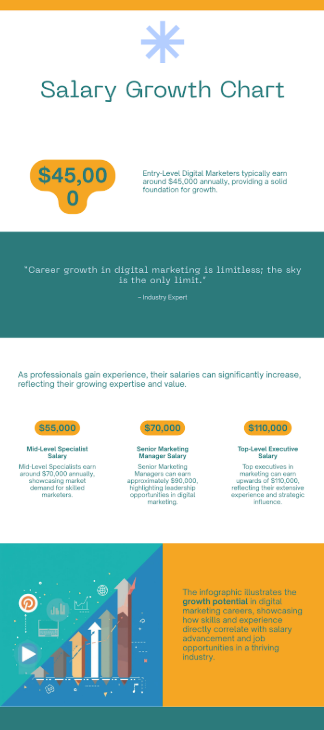
Starting a career in digital marketing as a student position you for financial independence and long-term growth, making it one of the smartest careers moves today.
https://digitalmarketingjobs.com/salaries/digital-marketing-salary-in-united-states?utm_source=chatgpt.com
The Complete Digital Marketing Roadmap for Beginners
If you want to become a digital marketer, it’s critical to follow a structured roadmap. Here’s a step-by-step guide tailored for students.
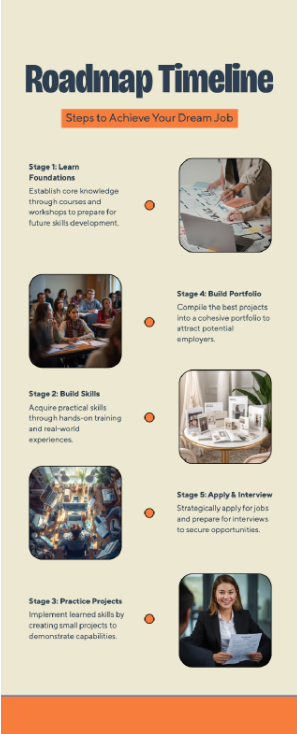
Step 1: Understand the Fundamentals
Before learning tools, understand how digital marketing works as a system:
- How search engines rank websites
- How paid campaigns generate ROI
- How content builds trust
- How data informs decisions
Mini-tip: Analyze a brand you like. Notice which platforms they use, how often they post, and how they communicate with their audience. You’re already practicing observation and strategy essential marketer skills.
Step 2: Learn SEO (Search Engine Optimization)
SEO is the backbone of organic digital marketing. Beginners should focus on:
- Keyword research: Finding what people are searching for
- On-page optimization: Titles, headings, and meta descriptions
- Technical basics: URL structure, page speed, mobile optimization
- Content strategy: Writing blogs or pages that answer questions
Example: A student creating a blog post titled “Top 5 Campus Study Apps” could optimize it for Google searches, gaining traffic and experience.
Tip: SEO is long-term strategy, meaning results aren’t instant, but learning it builds a strong foundation for all future marketing work.
Step 3: Learn Paid Advertising (PPC)
Paid advertising lets businesses get results quickly. Key areas for beginners:
- Platforms: Google Ads, Meta Ads, YouTube Ads
- Audience targeting: Age, location, interests
- Budget management: How much to spend per day/campaign
- A/B testing: Trying different ads to see which performs better
Mini-case: Imagine a student running a $20 Instagram campaign for a local coffee shop. After testing two images and captions, one ad generates twice as many clicks. That small exercise teaches ROI, targeting, and analytics real-world skills.
Step 4: Develop Content Marketing & Copywriting Skills
Content is how you communicate your message effectively.
- Blog posts and guides
- Email newsletters
- Social media captions
- Ads copy
Example: A student writes a 500-word blog about “How to Save Money on Campus Meals.” They research keywords, structure content with headings, and optimize meta description building SEO and copywriting skills simultaneously.
Tip: Storytelling increases engagement. Always think of the audience’s problem and show how your content or product solves it.
Step 5: Master Analytics
Digital marketing without data is like sailing without a compass. Key skills include:
- Traffic sources and patterns
- Bounce rates and engagement
- Conversion rates
- ROI tracking
Mini-story: A student tracks clicks on two blog posts promoting a campus event. One post drives more ticket sales. They can now recommend strategies based on actual data the essence of a digital marketer’s job.
Step 6: Build a Portfolio
Your portfolio is proof of your ability. Include:
- SEO audits
- Ad campaigns
- Blog posts or content pieces
- Analytics dashboards
- Capstone projects
Tip: Even personal or hypothetical projects count. Employers care about results and creativity, not just company names.
Step 7: Apply Learnings in Real Situations
- Offer services to student organizations or small businesses
- Run small ad campaigns or manage social media accounts
- Track results, learn, and iterate
These practical steps bridge the gap between theory and a full-time marketing role.
The Essential Skills You Need
Hard Skills:
- SEO & PPC
- Social media strategy
- Content marketing
- Analytics
- Marketing tools (Google Analytics, Canva, Meta Ads Manager)
Soft Skills:
- Communication
- Analytical thinking
- Creativity
- Time management
- Adaptability
Tools Every Digital Marketer Must Learn
Tools make execution efficient. Key categories:
- SEO tools: SEMrush, Ahrefs, Moz
- Analytics: Google Analytics, Data Studio
- Ads: Meta Ads Manager, Google Ads
- Content: Canva, WordPress
- Automation: Mailchimp, HubSpot
Trying to learn everything alone can feel overwhelming. Guided programs help.
Common Mistakes Beginners Make
- Focusing on tools before strategy
- Copying competitors blindly
- Ignoring data
- Forgetting to build a portfolio
- Trying to learn everything at once
Tip: Focus on one skill per week and track progress.
How to Get Your First Digital Marketing Job
- Complete Real Projects – Even small campaigns show competence
- Internships – Provide exposure to workflows
- Networking – Connect on LinkedIn, join student marketing communities
- Optimize Your LinkedIn & Resume – Highlight skills and projects
- Prepare for Interviews – Be ready to explain strategies clearly
How the Workforce Institute Digital Marketing Bootcamp Helps Students
Trying to piece everything together alone is slow. The Workforce Institute Digital Marketing Bootcamp is designed to make you job-ready faster:
- 18-week online program
- Instructor-led lessons
- Real campaign simulations
- Portfolio-building capstone
- Career coaching & interview prep
- Certificate upon completion
Example: A student can learn SEO, create a campaign, and present it to a mentor — building a portfolio in weeks instead of months.
Why a Bootcamp Is Worth It
- Removes confusion
- Provides structure and mentorship
- Offers hands-on experience
- Builds a strong portfolio
- Helps students get hired faster
For students serious about a career, a bootcamp reduces trial and error, saves time, and accelerates learning.
Additional Tips for Students Starting Today
- Start with free tools like Google Analytics Academy
- Practice on personal projects or blogs
- Join online communities (Reddit, LinkedIn groups)
- Document your progress — future employers love seeing learning journeys
- Track your results; show growth
Final Thoughts: Your Career Starts Now
Digital marketing is flexible, high-demand, and accessible. By following a roadmap, building skills, practicing with projects, and leveraging structured programs like the Workforce Institute Digital Marketing Bootcamp, students can transition quickly from curiosity to career-ready professionals.
The opportunity is real. The demand is growing. The tools are accessible. Now it’s your move.