
How to Become an AI Data Analyst in 2026
Introduction
The role of an AI Data Analyst has quickly become one of the most sought-after positions in the technology and business sectors. As organizations increasingly rely on artificial intelligence and big data to make informed decisions, there is a growing need for professionals who can not only analyze complex datasets but also translate them into actionable business insights. The combination of technical expertise, analytical thinking, and the ability to communicate results effectively makes this career path both challenging and highly rewarding.
Industries across the globe are adopting AI to optimize their operations, improve customer experiences, and gain a competitive advantage. For instance, retail companies like Amazon use AI algorithms to predict consumer purchasing behavior, recommend products, and manage inventory efficiently. In healthcare, AI is applied to assist in diagnosing diseases, predicting patient outcomes, and managing hospital resources. Streaming platforms such as Netflix rely on AI data analysis to provide personalized content recommendations, keeping viewers engaged and increasing customer retention. These examples illustrate the tremendous influence AI Data Analysts have on business strategy and decision-making.
For career switchers and newcomers to the field, AI Data Analysis presents a unique opportunity. It is a role that blends technical problem-solving with creativity, as analysts must find innovative ways to interpret data, build predictive models, and visualize complex trends for stakeholders. By entering this field, professionals position themselves at the forefront of technological innovation, where continuous learning is not only expected but required to stay competitive.
This guide will provide a detailed roadmap for becoming an AI Data Analyst in 2026, including the skills and qualifications needed, tools and technologies commonly used, typical career paths, job market insights, and actionable steps to get started. Additionally, we will include suggested infographics to visually summarize the most important points, making it easier for readers to understand and retain the information.
By the end of this guide, readers will have a clear understanding of what it takes to succeed in this career, from building a strong foundation in technical skills to creating a compelling portfolio and navigating the job market. Whether you are a recent graduate, an experienced professional seeking to switch careers, or simply curious about the AI field, this blog provides the essential knowledge to plan your journey strategically and achieve career success.
What Does an AI Data Analyst Do?
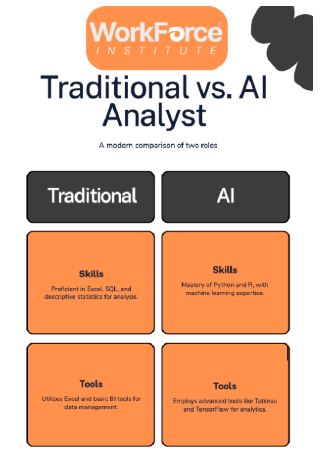
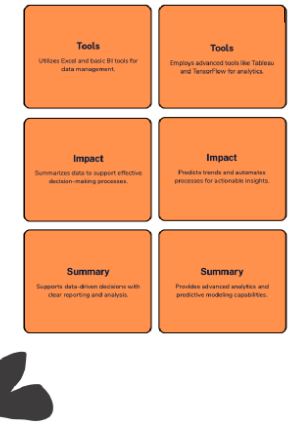
An AI Data Analyst is a professional responsible for transforming raw data into actionable insights using artificial intelligence tools and advanced analytical techniques. While traditional data analysts focus on collecting, cleaning, and interpreting data, AI Data Analysts take it a step further by integrating machine learning models, predictive analytics, and AI-driven algorithms to uncover deeper trends and patterns that can directly influence business decisions.
On a typical day, an AI Data Analyst might start by gathering datasets from multiple sources such as internal databases, web scraping tools, APIs, or cloud-based storage systems. After collecting the data, they clean and structure it to ensure accuracy, consistency, and reliability. This step often involves removing duplicates, handling missing values, and transforming data into formats suitable for analysis. Accurate data preparation is critical because the quality of insights depends on the quality of the data.
Once the data is prepared, AI Data Analysts apply machine learning models to extract insights and make predictions. For example, they might analyze customer behavior to predict churn, evaluate sales trends to forecast revenue, or segment users based on purchasing habits for targeted marketing campaigns. They also automate repetitive tasks such as data cleaning, report generation, and trend analysis using scripts in Python or R, which improves efficiency and allows more time for strategic analysis.
Collaboration is a major part of the role. AI Data Analysts work closely with data scientists, engineers, product managers, and marketing teams to ensure the findings align with company goals. For instance, if the marketing team is launching a new campaign, the AI Data Analyst might provide insights on which customer segments are most likely to engage, allowing the team to optimize messaging and target the right audience. Clear communication is essential, as the analyst must translate technical results into actionable recommendations that non-technical stakeholders can understand.
In addition to analytical work, AI Data Analysts create visualizations and dashboards to make complex data accessible and interpretable. Tools like Tableau, Power BI, or Python visualization libraries (Matplotlib, Seaborn, Plotly) are commonly used to present findings in an engaging way. These visualizations help decision-makers quickly grasp trends and patterns, enabling faster and more informed business decisions.
Some examples of projects AI Data Analysts might handle include predicting product demand during seasonal spikes, analyzing website traffic to optimize user experience, evaluating marketing campaign performance, or detecting anomalies in financial transactions to prevent fraud. These projects demonstrate the breadth of the role and its impact on multiple areas of the business.
Why Become an AI Data Analyst?
The role of an AI Data Analyst offers a unique combination of high demand, career growth, and the opportunity to make a tangible impact on businesses. As artificial intelligence becomes an integral part of modern business strategy, companies are actively seeking professionals who can interpret AI-driven insights and apply them to real-world problems. This demand is expected to grow rapidly, making the career both stable and lucrative.
One of the main reasons to pursue a career as an AI Data Analyst is job security and growth potential. Industries such as finance, healthcare, retail, and technology are all adopting AI to optimize operations, predict market trends, and improve customer experiences. For example, financial institutions use AI Data Analysts to detect fraudulent transactions and assess risk, while healthcare organizations rely on them to predict patient outcomes and streamline hospital operations. Retail companies use AI to anticipate consumer demand, personalize recommendations, and manage inventory more efficiently. This wide applicability ensures that AI Data Analysts are needed in virtually every sector, creating a robust job market.
Competitive salaries are another compelling reason. Because AI Data Analysts combine technical, analytical, and business-focused skills, they are often compensated higher than traditional data analysts. This financial incentive makes the role especially attractive to career switchers who want to invest in a field with strong long-term earning potential.
Beyond monetary benefits, this career offers intellectual challenge and continuous learning. AI technology is constantly evolving, and analysts must keep up with new algorithms, tools, and methodologies. Every project presents unique problems to solve, from optimizing machine learning models to finding patterns in large datasets. For professionals who enjoy problem-solving and creative thinking, this makes the work both stimulating and rewarding.
Moreover, working as an AI Data Analyst provides direct impact on decision-making. The insights you generate can influence product launches, marketing strategies, operational improvements, and overall business strategy. For example, by predicting which customers are likely to churn, a company can implement targeted retention campaigns, saving significant revenue and improving customer satisfaction.
Finally, AI Data Analysis is a field well-suited for career switchers and lifelong learners. Even if you come from a non-technical background, the combination of analytical thinking, problem-solving abilities, and a willingness to learn technical skills can open doors. With structured learning, hands-on projects, and networking, you can successfully transition into this high-demand career.
Essential Skills and Qualifications
To become a successful AI Data Analyst, you need a combination of technical and soft skills that allow you to analyze data, build AI models, and communicate insights effectively. These skills will not only help you perform daily tasks but also set you apart in a competitive job market.
Technical Skills
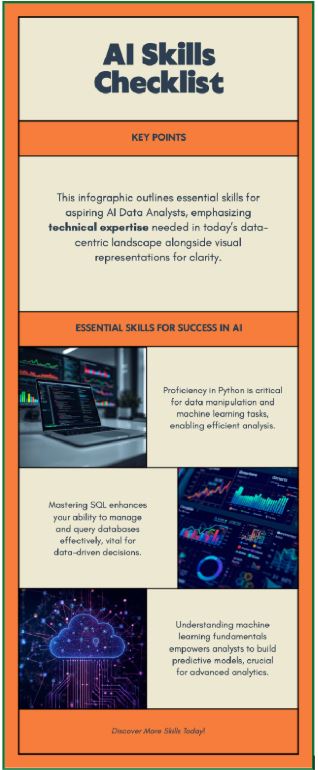
Programming Languages: Python and R are essential for data manipulation and building AI models.
Database Management: SQL knowledge is critical for extracting and managing data from various sources.
Machine Learning Basics: Understanding algorithms like regression, classification, and clustering allows you to apply AI to real-world problems.
Data Visualization: Tools such as Tableau, Power BI, or Python libraries (Matplotlib, Seaborn) help turn complex data into actionable insights.
Cloud and AI Platforms: Familiarity with platforms like TensorFlow, PyTorch, or cloud services (AWS, Google Cloud) is highly beneficial.
Soft Skills
Critical Thinking: Ability to analyze complex problems and derive meaningful conclusions.
Communication: Translating technical insights into business-friendly recommendations.
Problem Solving: Quickly identifying issues and finding data-driven solutions.
Collaboration: Working effectively with teams of engineers, data scientists, and business stakeholders.
Education and Learning
Degrees and Certifications: A degree in data science, statistics, computer science, or related fields helps, but certifications in AI or data analytics can also strengthen your profile.
Continuous Learning: The field of AI evolves rapidly, so staying updated with the latest tools, technologies, and industry trends is essential.
By developing these skills, you will be prepared to tackle complex datasets, automate processes using AI, and provide insights that drive business decisions.
Typical Career Path and How to Get Started
Becoming an AI Data Analyst is an achievable goal, even for those switching careers, as long as you follow a structured path to develop the right skills and gain practical experience.
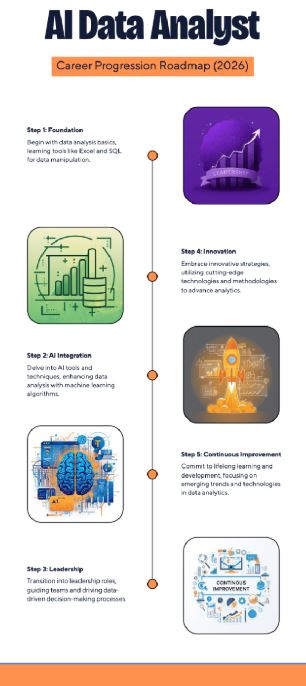
Entry-Level Roles
Most AI Data Analysts start in entry-level positions, such as:
- Data Analyst: Focuses on collecting, cleaning, and interpreting data.
- Junior AI Analyst: Assists with AI modeling and basic machine learning tasks.
- Business Intelligence Analyst: Prepares dashboards and reports to inform decisions.
These roles provide foundational experience and exposure to real-world datasets, preparing you for more advanced AI-focused positions.
Building a Portfolio
To stand out, it’s important to build a portfolio showcasing your skills:
- Complete small projects using real datasets (Kaggle, public datasets).
- Create sample AI models to solve business problems.
- Publish visualizations, dashboards, or mini-reports demonstrating your insights.
Networking and Communities
Joining AI and data analytics communities can help you stay updated and find career opportunities:
- LinkedIn groups for AI and data professionals.
- Kaggle competitions to test your skills against others.
- Online forums and local meetups for data enthusiasts.
Career Switchers
If you’re coming from a different field, focus on transferable skills such as analytical thinking, problem-solving, and communication. Pair these with technical learning through courses or certifications in Python, SQL, or machine learning.
Progression Path
After gaining experience, AI Data Analysts can advance to:
- Senior AI Data Analyst: Lead complex projects and mentor junior analysts.
- Data Scientist: Build and deploy advanced AI models for business decision-making.
- AI Product Specialist: Combine analytics skills with product strategy and AI implementation.
By following this roadmap, you can gradually transition into an AI Data Analyst role and continue growing in the field, positioning yourself for a successful and rewarding career.
Tools and Technologies Commonly Used
AI Data Analysts rely on a variety of tools and technologies to collect, process, analyze, and visualize data efficiently. Familiarity with these tools is essential to perform the role effectively.
Data Analysis and Programming Tools
- Python: Widely used for data manipulation, machine learning, and AI model development.
- R: Useful for statistical analysis and data visualization.
- SQL: Essential for querying databases and managing large datasets.
Machine Learning & AI Platforms
- TensorFlow: Open-source library for building and training machine learning models.
- PyTorch: Another popular library for AI and deep learning projects.
- Scikit-learn: Ideal for implementing basic machine learning algorithms quickly.
Data Visualization Tools
- Tableau: Powerful dashboard creation and visualization tool.
- Power BI: Integrates well with Microsoft products for reporting and analysis.
- Python libraries: Matplotlib, Seaborn, and Plotly for custom visualizations.
Cloud Platforms and Data Management
- AWS (Amazon Web Services): Cloud-based data storage, computing, and AI services.
- Google Cloud Platform (GCP): Offers AI and machine learning tools and scalable storage.
- BigQuery: For analyzing massive datasets quickly using SQL-like queries.
Productivity & Collaboration Tools
- Excel & Google Sheets: Still essential for quick data analysis and reporting.
- Jupyter Notebook: Interactive Python environment to run code and visualize results.
- Git/GitHub: For version control and collaborative coding projects.
By mastering these tools, an AI Data Analyst can efficiently handle data from collection to actionable insights, create predictive models, and communicate findings effectively to stakeholders.
Job Market and How to Find AI Data Analyst Jobs
The job market for AI Data Analysts is growing rapidly, with opportunities across multiple industries including technology, finance, healthcare, and retail. As organizations increasingly rely on AI to make informed decisions, skilled professionals in this role are in high demand.
Where to Look for Jobs
- LinkedIn: The most popular platform for professional networking and AI job postings.
- Glassdoor and Indeed: Offer salary insights and company reviews alongside job listings.
- Specialized AI job boards: Websites like AIJobs, Kaggle Jobs, and AngelList often feature positions specifically for AI and data analytics roles.
- Company career pages: Many tech companies post openings directly on their websites before listing on job boards.
Tailoring Your Resume and Profile
- Highlight relevant technical skills (Python, SQL, Tableau, TensorFlow).
- Include hands-on projects and portfolio links.
- Mention certifications or online courses to demonstrate continuous learning.
- Emphasize problem-solving abilities and experience in analyzing data for decision-making.
Demonstrating Practical Skills
- Share GitHub projects with AI models or data visualizations.
- Include case studies or reports created during internships or personal projects.
- Prepare to discuss real examples during interviews, focusing on challenges faced and insights gained.
Networking and Growth
- Join AI and data communities online to stay updated on trends and opportunities.
- Participate in competitions like Kaggle to showcase skills.
- Attend webinars, workshops, or local meetups to expand professional connections.
By proactively building a portfolio, networking, and targeting roles that align with your skills, you can maximize your chances of securing a rewarding AI Data Analyst position.
Conclusion and Next Steps
Becoming an AI Data Analyst in 2026 is not just a smart career move—it’s an opportunity to position yourself at the center of one of the most transformative technologies of our time. With businesses across every industry relying on AI-driven insights, professionals who can combine data analysis with artificial intelligence skills will continue to be in high demand.
If you’re ready to take the first step, start by building your foundation in Python, SQL, data visualization, and machine learning basics. Practice consistently, work on real-world projects, and focus on developing both technical expertise and strong communication skills. The combination of hands-on experience and continuous learning is what truly sets successful AI Data Analysts apart.
For those who want a structured, guided pathway into this field, enrolling in a specialized program can make a significant difference. The Generative AI Data Analyst program by WorkForce Institute is specifically designed to help aspiring professionals and career switchers build practical, job-ready skills in AI and data analytics. Through hands-on projects, real-world applications, and expert guidance, learners gain the confidence and experience needed to transition into the industry successfully.
Rather than trying to navigate the journey alone, investing in a focused training program can accelerate your progress and provide clarity on what employers are truly looking for. If you’re serious about becoming an AI Data Analyst, exploring a comprehensive certification like the one offered by WorkForce Institute could be the step that moves you from learning to launching your new career.
The future of AI-driven careers is expanding rapidly now is the perfect time to begin.